
How To
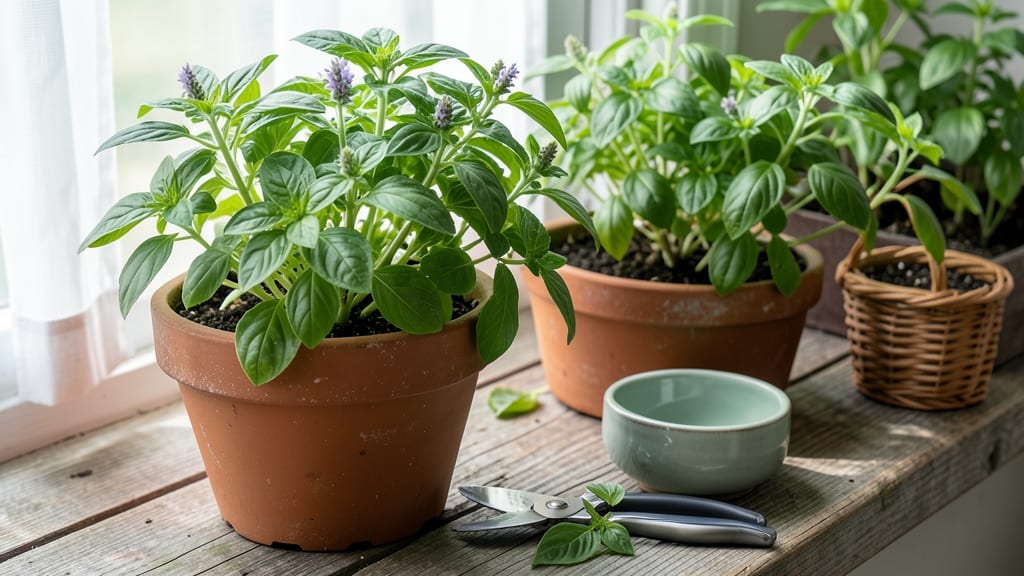
Harvesting basil for drying at the right moment turns your plant into a flavor powerhouse 🌿—wait too long, and you’re left with bitter, woody stems that ruin your dried stash.
Picture this: you’ve spent weeks nurturing your basil, only to pull leaves that taste like dirt instead of the sweet, aromatic herb you expected. That’s what happens when you harvest too late or too early for drying.
The key is catching those leaves at peak maturity, when their essential oils are concentrated but before the plant bolts and turns bitter.
Timing isn’t just about days since planting—it’s about leaf size, color, and even the time of day you harvest.
In Zone 6a, the best window for drying basil is late June through early August, but the real secret lies in three simple leaf tests that guarantee perfect flavor every time.
Below, I’ll walk you through those tests, the best time of day to pick, and how to process your harvest to preserve that vibrant green color and rich aroma—so your dried basil tastes as good as (or better than) the fresh stuff.

3 Leaf tests to determine perfect basil harvest time for drying
Drying basil is a game-changer for preserving its aromatic oils and vibrant green color, but timing is everything. Harvest too early, and you’ll miss peak essential oil content.
Harvest too late, and woody stems and bitter flavors ruin your efforts. The key? Master these 3 leaf tests that reveal when your basil is primed for drying.
Science shows that basil’s flavor compounds peak when leaves reach optimal maturity. But how do you spot it? Look for these visual cues: leaf size, color intensity, and stem firmness. These tests ensure you capture basil at its peak aromatic potential—just before it bolts or develops bitter notes.
Here’s the secret: the best basil for drying isn’t the same as fresh basil. For drying, you want leaves that are large, fragrant, and slightly woody at the stem—but still tender enough to crumble easily. This balance guarantees maximum essential oils while avoiding the harshness of over-mature plants.
Leaf Size Test: The 3-Inch Rule
Measure the longest leaf on the middle stem. If it’s 3+ inches long with 3 visible veins (including the central vein), it’s ready. Smaller leaves mean underdeveloped aromatic oils.
Color Intensity Test: The Rub Test
Rub a leaf between fingers. If it releases a sweet, pungent aroma and leaves a green residue (not yellow or brown), it’s prime. Dull or faint smells mean low essential oils.
Stem Firmness Test: The Squeeze Check
Gently squeeze the stem near the leaf attachment. If it’s slightly woody (not mushy) but the leaf crumbles easily, it’s ideal. Woody stems = bitter basil; soft stems = underripe.
Pro tip: Combine these tests for 100% accuracy. For example, a 3-inch leaf that passes the rub test but fails the stem squeeze needs more time. Conversely, a leaf that’s woody at the base but only 2 inches long is past its prime.
Timing matters even more for drying quality. Basil harvested at morning dew-dry (just after sunrise) retains more essential oils than afternoon-picked leaves. This is because cool night temps concentrate the plant’s aromatic compounds.
Avoid harvesting basil with flower buds—this triggers bitterness. Instead, focus on the top 6-8 inches of the plant, where the youngest, most tender leaves grow. These leaves have the highest essential oil content and dry best.
For continuous harvests, pinch off new growth regularly. This encourages bushier plants with more aromatic leaves over time. Just remember: the older leaves near the base are best for drying—they’ve had more time to develop flavor compounds.
Once you’ve mastered these tests, drying becomes effortless. Hang bundles upside-down in a dark, dry place (like a pantry or closet) for 2-3 weeks. The result? Zero-waste, aromatic basil that’s ready for soups, teas, or pest-repellent sachets all year.
Now you’re ready to harvest like a pro—no more flavorless dried basil! The secret is in the leaves, and these tests put you in control. Happy harvesting! 🌿✂️🌱
Best time of day and season for basil harvesting before drying
Timing your basil harvest for drying is all about capturing peak aromatic compounds while avoiding bitter, woody flavors. The best time to harvest depends on two key factors: daylight hours and seasonal growth stages.
Morning harvests yield the freshest leaves, while seasonal timing prevents premature bolting—when your plant focuses energy on flowers instead of flavorful foliage.
For maximum essential oils, aim to harvest basil leaves between 8:00 AM and 10:00 AM on clear, dry days. This window ensures leaves are fully hydrated but haven’t yet lost moisture to the midday sun.
Avoid harvesting after 2:00 PM, as leaves may wilt faster during drying, compromising texture and color.
Seasonal timing is equally critical. In USDA Zone 6a, the ideal harvest window spans from late June through early September, aligning with your plant’s most vigorous growth phase. Harvesting too early (before 45 days of growth) risks underdeveloped flavors, while waiting too long (past 60 days) risks bitter, fibrous stems that dry poorly.
| Factor | Optimal Condition | Why It Matters |
|---|---|---|
| Time of Day | 8:00 AM - 10:00 AM | Leaves contain highest essential oils and moisture retention |
| Seasonal Window | Late June - Early September | Aligns with peak growth before flowering (bolting) |
| Weather | Clear, dry days | Prevents mold during drying and preserves vibrant green color |
| Plant Height | 6-12 inches | Ensures tender leaves with minimal woody stems |
| Leaf Development | Fully opened, aromatic | Guarantees maximum flavor retention during drying process |
Climate plays a surprising role in harvest timing. In hot, humid regions, harvest earlier in the morning to avoid leaf wilting during drying. Conversely, in cooler climates, you can extend harvests slightly later into the afternoon (up to 1:00 PM) without sacrificing quality.
Always prioritize dry foliage—never harvest after rain, as excess moisture leads to moldy dried basil.
Watch for flower buds as your final harvest signal. Once your basil plant begins bolting (sending up flower stalks), flavors become bitter and stems toughen. For drying purposes, harvest just before these buds appear to capture the last burst of aromatic compounds.
This typically occurs in late August for most varieties in Zone 6a, marking your final harvest window before frost.
Pro tip: Rotate harvests by cutting outer stems first, allowing inner leaves to mature. This technique extends your harvest season by 2-3 weeks while maintaining consistent leaf quality for drying. Always use clean, sharp scissors to avoid crushing stems, which accelerates bolting and reduces drying efficiency.