
Vegetables
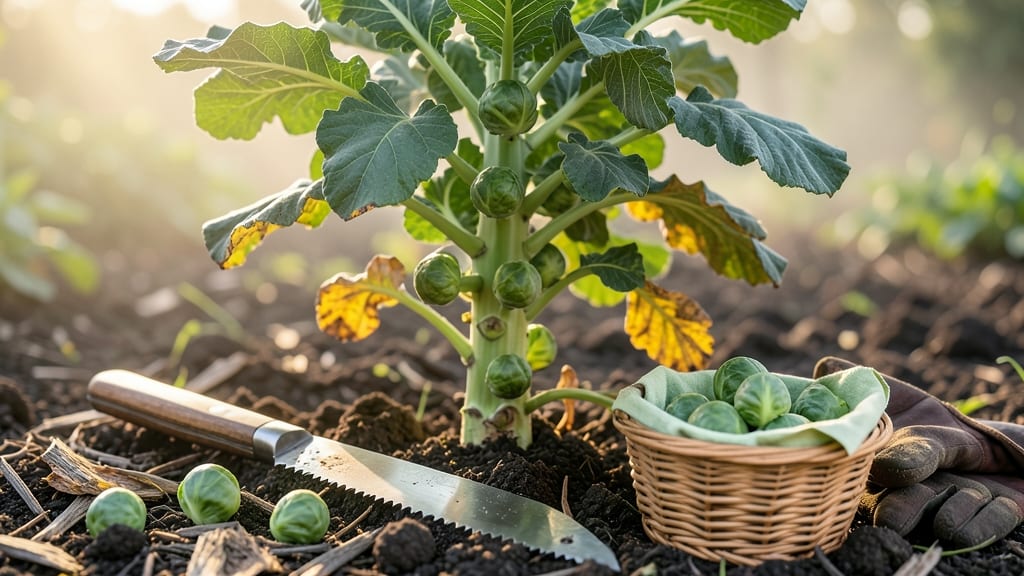
Harvesting Brussels sprouts at the right time means turning your garden into a nutrient-packed harvest of crisp, flavorful bites—if you know what to look for.
Imagine biting into a perfectly mature 🥦 that’s firm, dark green, and packed with flavor—only to find it woody or bitter because you waited too long. The difference between a stellar harvest and a disappointing one often comes down to timing.
Brussels sprouts typically reach harvest time between October and November, about 90-120 days after transplanting, but the exact moment depends on size, color, and stem firmness. Miss these cues, and you might end up with sprouts that are too tough or past their prime.
In this guide, I’ll walk you through the three key signs your Brussels sprouts are ready to pick, how to extend your harvest season, and what to do if you’ve waited too long. Let’s make sure your garden delivers the best possible crop!

When to harvest Brussels sprouts: 3 visual and tactile signs
Timing your Brussels sprouts harvest perfectly ensures you get the best flavor and texture. These cool-season vegetables take patience, but knowing exactly when to pick transforms your garden into a flavorful harvest.
The key lies in watching for three clear visual and tactile cues that tell you the moment is right.
Brussels sprouts typically mature between 90-120 days after transplanting, but relying on days alone won't guarantee perfect timing. Instead, focus on the plant's natural signals. These cues work together to tell you when the sprouts are at their peak—firm, flavorful, and ready for your kitchen.
Look for sprouts that are 1-1.5 inches in diameter. They should feel compact and firm, not loose or woody. Sprouts smaller than 1 inch are underdeveloped, while larger ones become bitter and tough.
Mature Brussels sprouts have a rich, deep green hue. Avoid picking any that show yellowing or browning, as this signals overmaturity or stress. The leaves should remain vibrant, not wilted or crispy.
Gently squeeze a sprout to test its readiness. A ready sprout feels solid and crisp, like a small, firm ball. If it feels soft or mushy, it’s past its prime. Overripe sprouts lose their sweetness and develop a bitter taste.
Seasonal timing also plays a role in your harvest. In cooler climates like USDA Zone 6a, Brussels sprouts typically mature in late October to November, aligning with their natural growth cycle.
If you're in a warmer zone, you might need to plant them in late summer to avoid heat stress, which can delay maturity.
Harvesting from the bottom up is a game-changer. Start with the lowest sprouts first, leaving the top ones to mature. This prolongs your harvest season by 2-4 weeks, giving you a steady supply of fresh sprouts.
Use a sharp knife or pruners to cut the stem just above the sprout, leaving about ½ inch of stem attached to the plant.
Don’t wait too long—overripe Brussels sprouts become woody and bitter. If you notice the lower leaves turning yellow and dying back, it’s a clear sign the plant is shifting its energy upward.
This is your last call to harvest before the quality declines. Store any unharvested sprouts in the fridge for up to 5 days to preserve freshness.
Pro tip: Harvest in the morning when temperatures are cooler. This ensures the sprouts stay crisp and retains their vibrant color. Avoid harvesting after heavy rain, as moisture can make the stems slippery and increase the risk of disease when cutting.
By mastering these three signs—bud size, color, and stem firmness—you’ll consistently pick Brussels sprouts at their peak. The reward? A harvest that’s sweet, tender, and packed with flavor, straight from your garden to your plate.
Brussels sprouts harvest mistakes to avoid (and how to fix them)
Harvesting Brussels sprouts at the wrong time can turn your homegrown bounty into bitter, woody disappointments. Even experienced gardeners make mistakes that compromise flavor and yield. The key is recognizing these common pitfalls before they happen—and knowing how to fix them once they do.
One of the biggest mistakes is waiting too long to harvest. When sprouts grow beyond 1.5 inches in diameter, they develop tough, fibrous textures and bitter flavors. This often happens when gardeners focus on the plant's height rather than the individual buds.
Another frequent error is using dull or dirty pruners, which crush the stems and invite disease.
⚠️ callout-warning ⚠️
🚨 Harvest Time Disasters
- Over-mature sprouts → Woody, bitter taste
- Dirty pruners → Stem damage & disease
- Harvesting after frost → Soft, mushy texture
Fix these mistakes by harvesting from bottom to top, sanitizing tools with rubbing alcohol, and picking before first frost.
To fix over-mature sprouts, focus on harvesting the remaining buds as soon as possible. While they won't regain their peak sweetness, they'll still be edible if picked before they turn yellow or brown.
For stem damage, always sanitize your pruners with 70% isopropyl alcohol before each use. This simple step prevents bacterial infections that can ruin your entire crop.
Another critical mistake is harvesting Brussels sprouts after the first frost. While they can tolerate light frosts, heavy freezing causes the buds to become soft and waterlogged. If you're in a colder climate, harvest all mature sprouts before temperatures drop below 25°F.
For warmer regions, protect plants with frost cloth if you plan to extend the harvest season.
Post-harvest care is just as important as the harvesting process itself. Store freshly picked sprouts in the refrigerator for up to 5 days in a perforated plastic bag. Never wash them until ready to use—excess moisture speeds up spoilage.
For long-term storage, blanch and freeze them to preserve flavor and texture for up to 12 months.
Finally, avoid the temptation to harvest all sprouts at once. Brussels sprouts produce buds from the bottom up, so leaving the top few unharvested allows the plant to continue growing.
This staggered approach can extend your harvest window by 2-4 weeks, giving you more time to enjoy your homegrown crop.
By avoiding these common mistakes, you'll transform your Brussels sprouts harvest from a gamble into a predictable success. The key is attention to detail—checking buds regularly, using clean tools, and timing your harvests just right.
With these fixes in mind, your garden will yield tender, flavorful sprouts all season long. 🥦